Colored pencils or brushes — no diploma required
A Sunday afternoon. An open sketchbook lies on the table, colored pencils spread out beside it, and you're sitting by the window with a cup of tea, just drawing — without judgment. First time, second, third. You simply do it, and your breathing steadies, and the rush of thoughts grows quiet. If you've ever experienced something like that, you know exactly what I mean. If you haven't, but art draws you in — give it a try! It took me many years to find the courage, not the talent. Art therapy is a clinical term, but art as a tool for personal development is available to everyone.
Clinical art therapy vs. everyday creative practice — they're not the same thing
Art therapy in the clinical sense is a therapeutic method conducted by a certified art therapist — a specialist with a background in psychology or education and completed art therapy training. This form of support is used with people who have experienced trauma, those dealing with depression, anxiety disorders, or psychiatric conditions. In these cases, the presence of a specialist is essential — just as we wouldn't replace a doctor with our own intuition in a medical office.
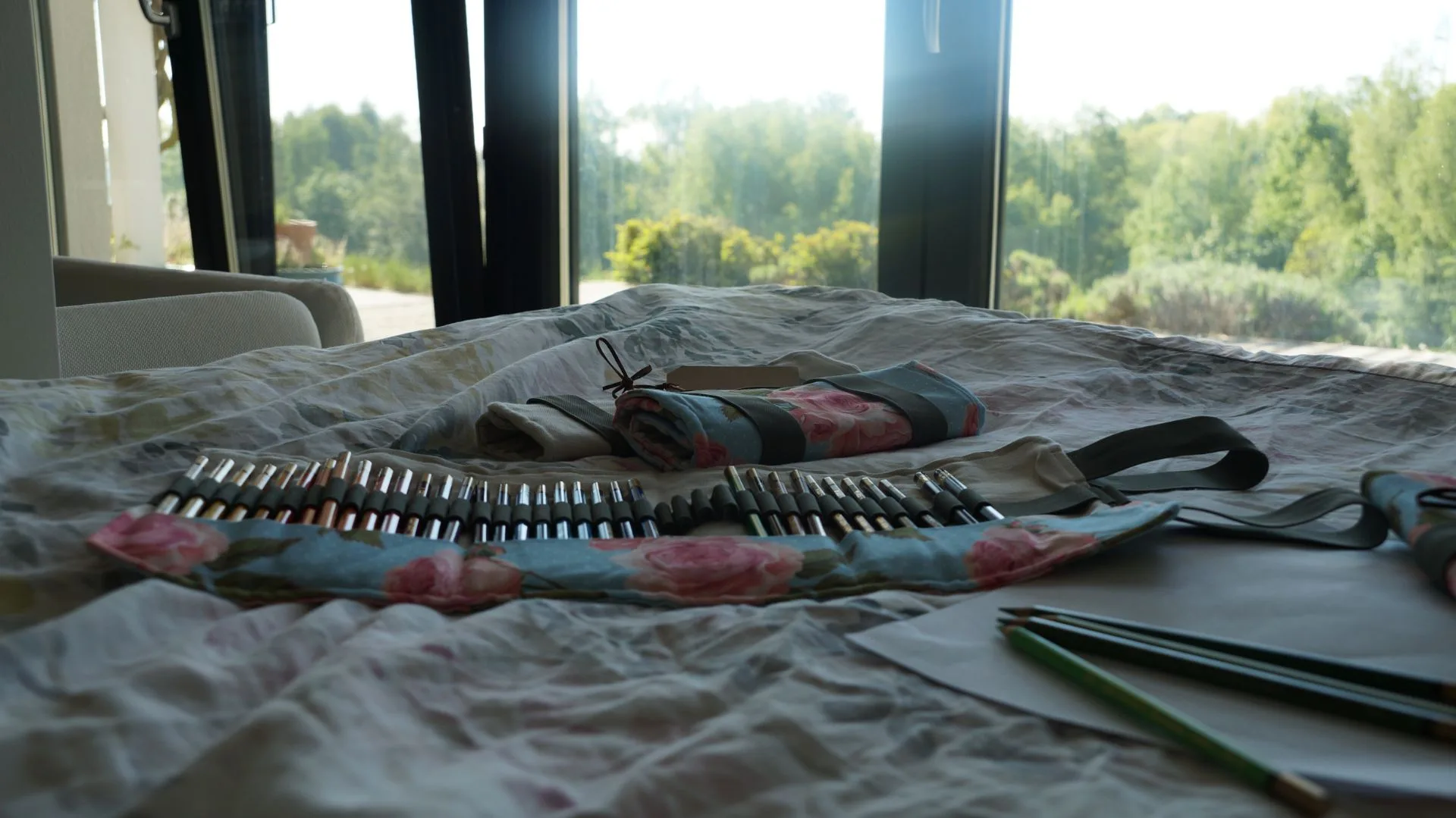
However, personal engagement with art as a form of personal development is an entirely different territory — if you want to practice on your own as a mindfulness exercise, you don't need any qualifications. An hour with watercolors or an evening spent coloring mandalas doesn't require a specialist. All it requires is the desire and a little space. It's worth having good, soft pencils and some paper, or a coloring book that inspires you — perhaps some patterns that have moved you before. Accessibility matters too: your tools shouldn't be buried deep in a drawer. Set them out somewhere easy to reach when you make time for it — maybe on your nightstand, waiting for the evening, or on the kitchen table, ready for the morning. When creative practice is linked to an existing habit, there's a much better chance it will become a regular one.
Do you need to be an artist for it to work?
Absolutely not. This is probably the biggest myth that keeps so many people from exploring this form of relaxation at all — because they feel they're not talented enough. And yet, in the therapeutic approach, what matters is not the results, but the process. What ends up on paper is secondary to what happens inside you when you hold a brush or a pencil in your hand. Once you do it a few times, you'll start to notice what emotions arise, and what feels most challenging about the whole experience.
What techniques can you try on your own?
There's a belief that art which truly releases emotion is the kind created without any goal — flowing from the heart, unplanned. You're welcome to start with a blank page, but from what I've observed, this is genuinely difficult for most of us, shaped as we were by school grades and our own limiting beliefs. That's why it's worth leaning on coloring pages or ready-made patterns for support. Choosing them — asking yourself what you actually enjoy, what feels meaningful to you — is itself part of the growth.
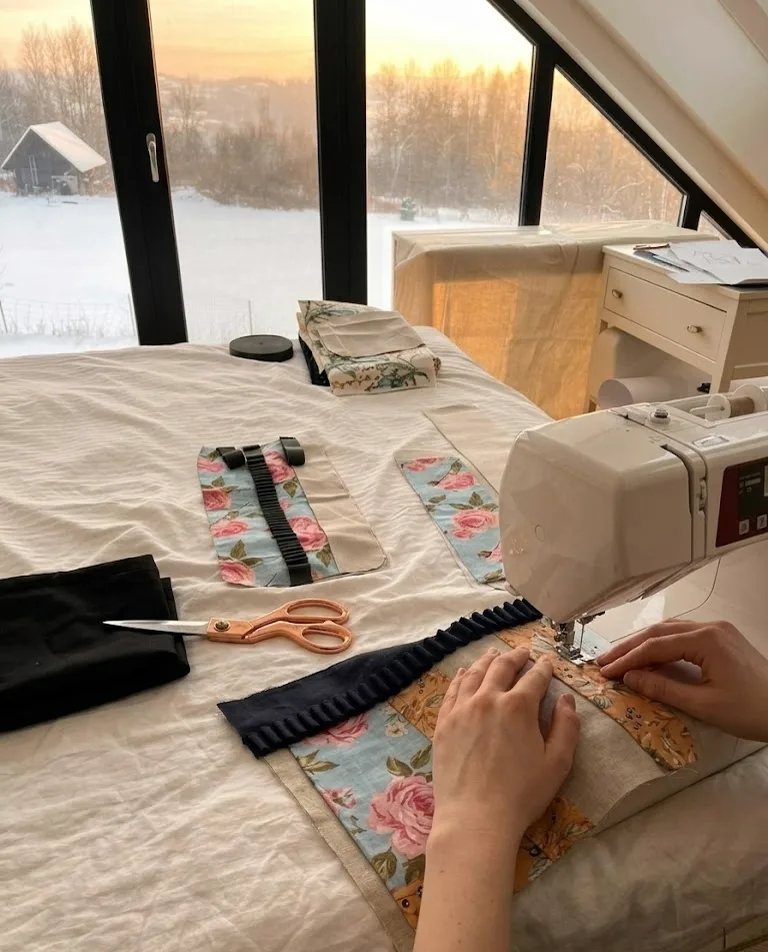
It's also worth paying attention to the tools you simply enjoy touching — it really does make a difference. A soft pencil, soft colored pencils, a beautiful case always within reach. Choosing your own colored pencils or watercolors can be a wonderful experience in itself. Art supply stores often carry individual pencils in gorgeous shades you won't find in standard sets, and the act of selecting them is its own little adventure — coloring in shades that feel true to you is pleasurable, and it also reveals something about the colors you love to surround yourself with. The Bobogna case was created precisely so that anyone can put together their own unique micro-studio for personal growth.
Spaces for creative development
If practicing on your own feels difficult, or if you'd like some guidance along the way, there's a wonderful middle ground. There are beautifully developed, well-tested tools for growth through art. One that has inspired me for years is Malort. The method created by Arno Stern is a painting practice held in a structured space — regular, non-judgmental, with a facilitator who gently keeps the principles in place. Sometimes leaving the house, stepping into a dedicated studio, and working within a thoughtful method can be a real support, especially for those who have no idea where to begin.
You can read more about Arno here.
And in Poland, the coordination of Malort studios is handled by Wydawnictwo Element.
When is it worth reaching out to a specialist?
If creating art brings up strong anxiety, tears, or a sense of being overwhelmed — take that as a signal. A personal creative practice is a beautiful tool for growth, but it is not a substitute for psychotherapy.